What Does a Bay Area Home Remodel Really Cost?
There is no single price for a home remodel. Here’s what actually drives the cost—and how Seamus Collins Construction helps homeowners to plan realistically and protect their investment.
Experience Matters
At Seamus Collins Construction, our job begins well before construction starts.
We help homeowners make informed decisions about their project before significant time and money is committed.
We work with homeowners, architects, and consultants to understand the project, identify potential challenges, and establish a realistic approach to budget and schedule. Our experience with Bay Area homes helps us recognize issues that can impact a project before they become expensive surprises.
We coordinate the many moving parts from permitting and engineering to subcontractors, materials and construction, and keep our clients informed throughout the process.
Our goal isn’t simply to provide an estimate, it’s to help you understand what you’re actually buying and paying for.
This means identifying potential costs early, making thoughtful decisions about scope and materials, and managing the project carefully once construction begins. No builder can predict every condition behind an existing wall or beneath an existing floor, but experience and preparation can help reduce unnecessary surprises and protect the homeowner’s investment.
If you’re considering remodeling a home in the Bay Area, one of the first questions you should ask is also one of the hardest to answer:
How much will it cost?
The most honest answer is: it depends.
A kitchen renovation, whole-home remodel, structural addition and ADU are very different projects. Even two homes with similar square footage can have dramatically different construction costs depending on their age, condition, location, design, access and scope of work.
The San Francisco Chronicle recently analyzed approximately 8,000 residential projects completed between July 2025 and June 2026 and found that median permit values of $35,000 for kitchen-only projects and $28,000 for bathroom-only projects, but cautioned that permit values should not be confused with what homeowners actually pay. The city’s permit valuation methodology can be substantially below real-world construction costs.
So how should a Bay Area homeowner approach the cost question?
Start With the Scope, Not Square-Feet
A mistake some homeowners make is to look for a single cost-per-square-foot figure and assume it applies to their project.
Not necessarily.
The cost of a remodel largely depends on what you want to accomplish.
Are you updating finishes and fixtures? Moving walls? Adding square footage? Replacing plumbing and electrical systems? Upgrading mechanical systems? Addressing structural or seismic issues?
Each of these decisions affects the project.
A home remodel that preserves the existing floor plan can have a vastly different budget from a project that reconfigures the house. An addition introduces another set of structural, permitting, and site considerations.
This is why a meaningful budget starts with understanding the project, not simply measuring the house.
What Factors Drive the Cost of a Bay Area Remodel?
Several factors consistently have a major impact on construction costs.
Existing Conditions
Older Bay Area homes can contain surprises behind the walls and beneath the floors. Outdated electrical systems, plumbing, structural deficiencies, water damage, asbestos, and other unforeseen conditions can all affect the final cost.
The more that is known about a property before construction begins, the better prepared the homeowner and construction team can be.
A thorough understanding of existing conditions also helps inform design decisions before construction begins, when changes are generally easier and less expensive to make.
Design and Scope
Custom finishes, architectural details, millwork, windows, doors, appliances and fixtures can all move a budget significantly.
The same is true of structural changes. Removing walls, modifying foundations, creating new openings or adding floors can require engineering and specialized construction.
This is why decisions about scope and quality should be made with the budget in mind from the beginning, not after construction is underway.
Permitting and Regulations
Bay Area cities and counties have different requirements for residential construction. Depending on the project, homeowners may need to address planning, building, structural, energy, electrical, plumbing and other requirements.
Regulations are also evolving.
In San Francisco, for example, requirements that took effect on July 1st apply all-electric requirements to certain major renovations, with specific criteria and exceptions.
Understanding applicable requirements early can help prevent redesigns, additional costs and delays later in the project.
Site Conditions and Access
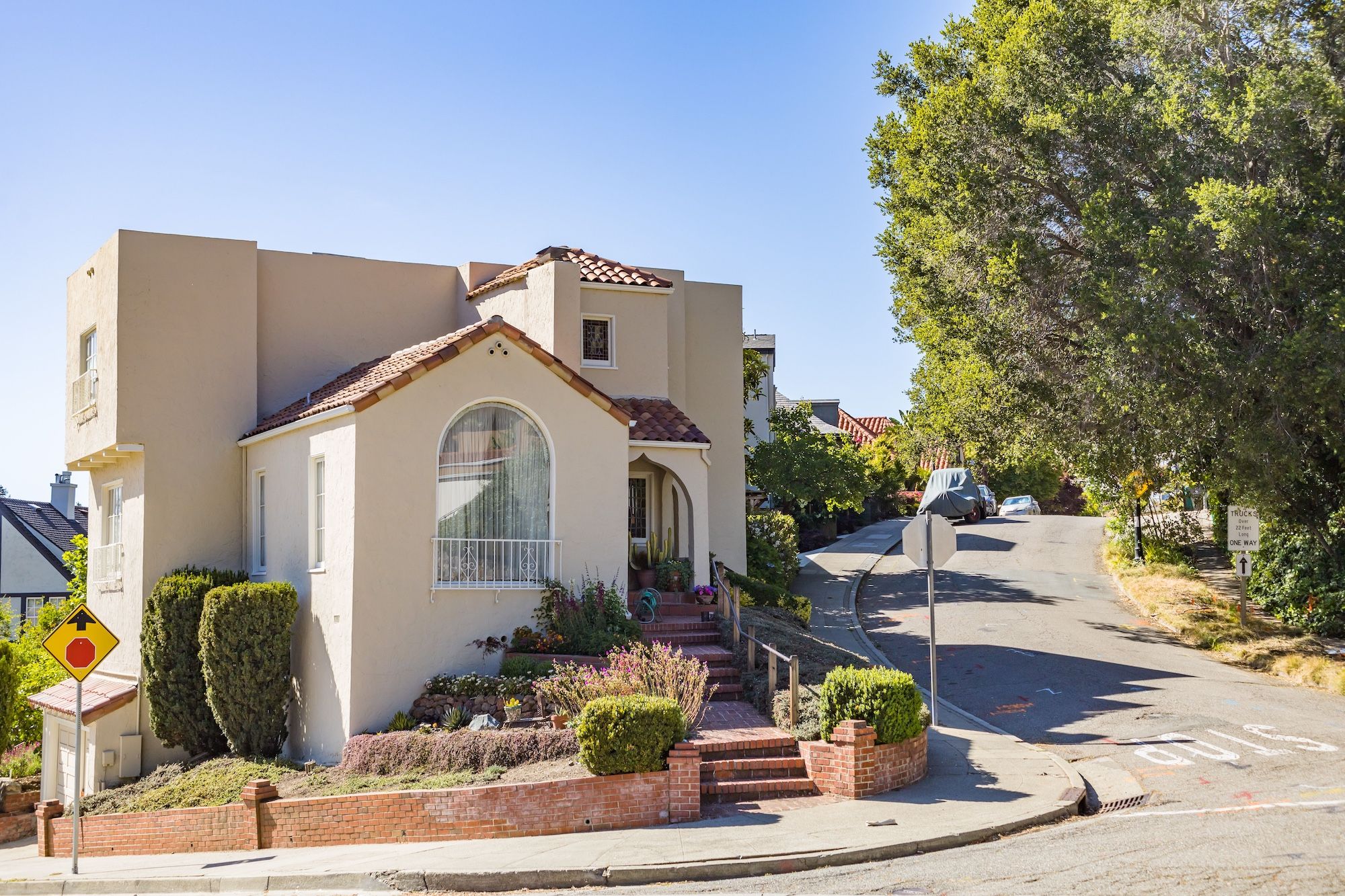
A home on a flat suburban lot with easy construction access is very different from a hillside property or a tightly constrained urban site.
Limited access, excavation, retaining walls, steep slopes and difficult staging can all add time and cost.
In some cases, the logistics of getting workers, equipment, and materials to a property can have a meaningful effect on the construction budget.
Quality and Longevity
There is a difference between choosing the least expensive option and choosing the option that provides the best long-term value.
A well-built home should perform for decades. Spending more upfront on quality materials, energy-efficient systems or better construction details can sometimes reduce maintenance and replacement costs over time.
The goal isn’t to spend more, it’s to spend smart.
Project Management and Coordination
A major remodel involves more than construction crews.
Architects, engineers, inspectors, permitting agencies, subcontractors, suppliers, and homeowners all have to work from the same plan and stay coordinated.
A missed decision, delayed material, or coordination problem can affect the schedule and potentially increase costs.
Experienced project management helps keep those moving parts aligned and gives homeowners a clear understanding of what is happening throughout the process.
The Cost of Remodeling Isn’t Just Construction
Homeowners should also think beyond the contractor’s construction budget.
Depending on the project, there may be costs associated with:
- Architecture and design
- Structural and other engineering
- Permits and fees
- Planning and environmental requirements
- Interior design
- Temporary housing
- Appliances, furnishings and finishes
- Utility upgrades
- Unforeseen existing conditions
A realistic project budget accounts for these expenses before construction begins.
It should also include an appropriate contingency for conditions that cannot reasonably be known until work begins.
Should You Remodel or Build Something Different?
Sometimes the most important question isn’t:
“What will my remodel cost?”
It’s:
“Is remodeling the right solution for me?”
If a project involves extensive structural changes, a major addition, outdated infrastructure, or a significant reconfiguration of the existing home, it may be worth comparing the cost and benefits of remodeling with an addition, teardown and rebuild, or another approach.
That decision is worth making before construction begins.
An experienced builder can help homeowners understand the implications of each option and work with the design team to determine which approach best fits the property, goals, and budget.
A Realistic Budget Starts With a Real Conversation
There is no shortcut to determining what a particular Bay Area home remodel will cost.
Online estimates can provide a starting point. Cost-per-square-foot figures can provide context. Neither can account for the unique conditions of your home and the decisions that will shape your project.
That’s where experience matters.
At Seamus Collins Construction, we help homeowners understand what is possible, what the project will require and what factors will shape the investment before construction begins.
Our objective is simple:
Plan carefully. Communicate clearly. Build well. Protect the homeowner’s investment.
Start With a Project Assessment
If you’re considering a remodel, addition, or custom home, the first step doesn’t have to be a commitment to construction. It can simply be a conversation about your property, your goals, and what you’re hoping to accomplish.
At Seamus Collins Construction, we help homeowners evaluate the scope of their projects, identify potential challenges, and develop a realistic approach to budget and schedule.
Before you commit to a remodel, understand what you’re getting into.
Contact Seamus Collins Construction to discuss your project and start developing a realistic plan.
